Commentary: We can no longer ignore the health risks of climate change in Asia
SEATTLE: Surface air temperatures over country have increased by around 1.5 degrees Celsius in the last 150 years, leading to adverse impacts on human health and well-being.
Further warming will magnify these risks, depending on the extent of emissions reduction and investment in building climate-resilient wellness systems.
Asia is particularly vulnerable due to increased exposure to the consequences of climate change. It is projected to feel increases in ambience temperatures, extreme precipitation events and sea level rising.
These will accept health consequences, including temperature-related morbidity and mortality, injuries and deaths from farthermost weather events, vector-borne diseases and undernutrition.
READ: 2022 likely world's second-hottest twelvemonth, UN says
READ: Commentary: The wonder of articulate skies and returning wildlife is our new climate trouble
Extreme Atmospheric condition DETRIMENTAL TO Wellness
Asia has already experienced an increase in the frequency and intensity of extreme weather events such as tropical cyclones, floods, droughts and heatwaves, resulting in significant numbers of injuries and deaths.
The region is peculiarly at risk because of the large and growing populations, long coastlines, arable low-lying areas and reliance on the agricultural sector and natural resource.
Increasing unpredictability of the annual monsoon is of particular concern in Southeast Asia. These vulnerabilities dilate climate-related risks in many countries.
Compounding of extreme atmospheric condition events, such as loftier temperatures coinciding with cyclones or back-to-back heatwaves, are also of particular business concern and will occur with increasing frequency.
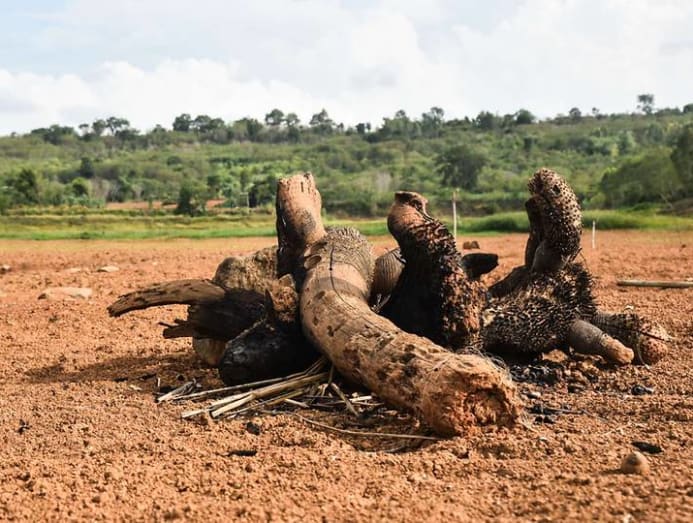
Under most scenarios, rising temperatures will expose large populations to health-damaging heatwaves throughout Asia. Risks volition be especially severe in densely populated cities and agronomical areas of Due south Asia and eastern China.
Higher average temperatures reduce productivity of outdoor workers, and can also adversely touch on maternal and child health.
Successful heat action plans take been implemented in Republic of india, China and other countries. These need to be regularly reviewed every bit the onset, severity and elapsing of dangerously loftier temperatures change.
Improved access to air-conditioning is function of estrus adaptation in many settings but is non viable at the scale required to protect entire populations.
READ: Commentary: Ac – the unspoken energy guzzler in Singapore
READ: Commentary: The globe is hungry for green cooling solutions. Thankfully, Singapore is pioneering them
Illness AND MALNUTRITION
Vector-borne diseases, particularly mosquito-borne diseases, are a major public health problem in Asia, with malaria, dengue fever and chikungunya at endemic levels in the region.
Climate change affects ambient temperatures and precipitation levels in ways that are generally beneficial for mosquito populations, increasing their geographic range and extending transmission seasons for these diseases.
Recurrent outbreaks pose pregnant health threats, every bit evidenced during the early years of the 21st century.
Warming temperatures, changing precipitation patterns and greater frequency of droughts and desertification have compromised nutrient security in parts of Asia.
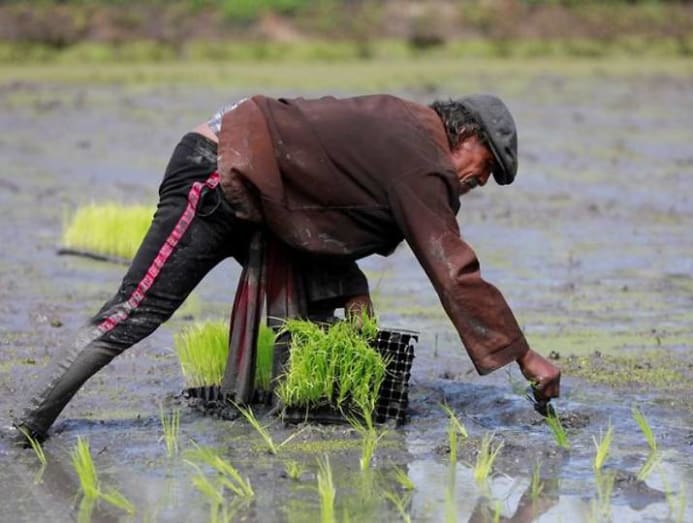
Although climatic change has increased ingather yields in some high mountain regions, yields in lower-latitude regions have been negatively affected.
Increased atmospheric carbon dioxide levels can lower the nutritional quality of crops. More than frequent extreme weather condition events volition also disrupt supply chains.
With cereal prices projected to increase by 2050, the region'south most vulnerable people face food insecurity and hunger. Southeast Asia has already seen an increase of stunting in children.
READ: Commentary: From farmers to supermarket clerks, a new kind of essential worker has emerged
LINK WITH MENTAL HEALTH
Although frequently overlooked, mental wellness problems are common throughout Asia, and are amplified by stresses associated with climate modify. Acute, climate-related events tin can pb to mental distress, which may manifest as feet, mood disorders and social withdrawal, and can increase suicide risk.
Prolonged and repeated droughts have been associated with depression and self-impairment, especially among farmers.
Long-term climate change also undermines the sense of place that is foundational to mental well-being in all populations, and specially in indigenous cultures; sea-level rise in the Pacific is a well-documented example.
READ: Climate alter, floods and drought: Here's how badly Singapore could exist affected
Shortening return periods between farthermost conditions events threatens the chapters of societies and individuals to recover conviction and promote mental healing.
The compounding and increasingly negative effects of repeated COVID-19 lockdowns on morale and well-existence illustrate this miracle.
MODELLING A USEFUL GUIDE
Modelling suggests the most effective mode of reducing the number of people vulnerable to climate alter is through sustainable development that actively reduces socioeconomic inequality and poverty in Africa and Asia.

1 assay looked at the interplay between socioeconomic development and 14 climate change risks to water, energy and country sectors, including exposure to extreme rut events.
Global exposure to multisector hazard was projected to double, with a ane.5 to two degrees Celsius warming and so double once more with a 3 degrees Celsius increase.
With a 1.5 to two degrees Celsius increase, the total population exposed to multisectoral risks increased by 69 to 113 per cent and the level of exposure increased by 60 to 258 per cent. Nearly of the run a risk was in Asia and Africa.
The magnitude and pattern of future injuries, illnesses and deaths associated with climate change depend on the level of warming and on the socioeconomic evolution pathway followed.
READ: Commentary: We call it climate change. It's more like a global health crisis
Pathways with higher population growth, high levels of consumption, limited investments in applied science development and a depression ability to conform volition magnify the health risks of climatic change.
A comprehensive arroyo is needed to manage these risks, requiring scientists, policymakers, funding-source managers and the public to work together to address the impacts of climate change and build resilient communities.
This requires well-coordinated, multisectoral actions with the active participation of individuals and communities at take a chance.
Innovative policies based on audio science, political will and sustainable financing, supported and coordinated by international organisations similar the World Health Organization, are essential for preparing for and managing the wellness risks of a warming planet.
Listen to an expert break downwards the effects of rising temperatures and ocean levels:
Kristie L Ebi is Professor of Global Health and Ecology and Occupational Health Sciences at the Department of Global Health, the University of Washington. Yun-Chul Hong is Professor at the Found of Environmental Medicine and the Department of Preventive Medicine, Seoul National University Higher of Medicine. Alistair Woodward is Professor of Epidemiology and Biostatistics at the School of Population Health, the University of Auckland.
This commentary first appeared on East asia Forum.
Source: https://cnalifestyle.channelnewsasia.com/commentary/commentary-we-can-no-longer-ignore-health-risks-climate-change-asia-279411
0 Response to "Commentary: We can no longer ignore the health risks of climate change in Asia"
Post a Comment